

Why Is Streaming Content Different in Different Countries?
 Sharon
  2026.09.30
Have you ever searched for a movie on Netflix only to discover that it isn’t available in your country? Or tried to watch a TV show on Hulu or Disney+ and found that the title is available in one region but missing from another?
You’re not imagining it. Streaming libraries can vary significantly from one country to another.
The main reason is regional content licensing. Streaming platforms don’t necessarily own worldwide distribution rights for every movie, TV show, or sporting event they offer. Instead, content availability is often determined by licensing agreements, distribution rights, local regulations, and regional market strategies.
So why does Netflix show different movies in different countries—and what can you do when the content you want isn’t available in your region?

Why Do Streaming Libraries Vary by Country?
Regional Licensing Agreements
The biggest reason is copyright and distribution licensing.
Movie studios, television networks, sports organizations, and other content owners may sell streaming rights separately for different territories. A streaming platform might have the rights to show a particular movie in the United States but not in the UK, Japan, Australia, or another market.
In some cases, another streaming service or local broadcaster may hold the rights in that region.
As a result, the same streaming platform can offer completely different libraries depending on where you connect from.
Streaming Platforms Use Your IP Address to Determine Your Region
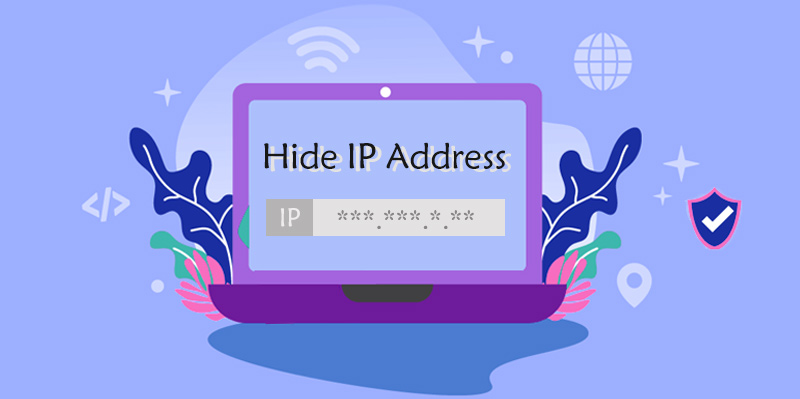
One of the most important signals streaming services use to determine your approximate location is your IP address.
Your IP address can reveal information about the network and geographic region associated with your internet connection. Streaming platforms can use this information to determine which content catalog should be presented to you.
For example, if a movie is licensed for viewers in the US but not in your current country, the platform may hide the title or display a regional availability message.
This technology is commonly known as geoblocking or geo-restriction.
Local Regulations and Content Strategies
Licensing isn’t the only factor.
Streaming platforms may also adapt their libraries to comply with local laws and regulations. Content availability can therefore differ because of regional legal requirements, distribution agreements, language considerations, or the platform’s local content strategy.
This means that even when two countries use the same streaming service, subscribers may see different selections.
Can a VPN Change Your Streaming Region?
A VPN can change the apparent location of your internet connection by routing your traffic through a VPN server in another region.
Instead of websites seeing your original IP address, they see the IP address associated with the VPN server.
For streaming services that determine regional access primarily through IP-based location signals, connecting to a VPN server in another country can potentially make your connection appear to originate from that region.
However, a VPN does not guarantee access to every title on every streaming platform. Streaming providers actively manage their content rights and may detect and restrict certain VPN or proxy connections. Availability can also change as licensing agreements and platform policies change.
How PandaVPN Helps With Global Streaming
PandaVPN is designed to provide fast, stable connections for users who want more flexibility when accessing international online content.
6,000+ Servers Across 100 Countries
PandaVPN operates a global network with 6,000+ servers across 100 countries, giving users a wide range of connection locations.
When supported by the streaming service and its current policies, connecting through a server in another country can change the IP-based region associated with your connection.
This makes it easier to explore online services and content designed for different markets while traveling or living abroad.
Streaming-Optimized Routes
Streaming requires more than simply connecting to a remote VPN server.
Long-distance connections, network congestion, and inefficient routing can affect video loading times and playback stability.
PandaVPN uses optimized streaming routes and patented acceleration technology to help improve connection efficiency and reduce unnecessary network delays.
This is particularly useful when accessing high-bandwidth video content over longer distances.
High-Bandwidth 10Gbps Servers
High-quality video streaming can consume substantial bandwidth, especially when watching HD or 4K content.
PandaVPN provides high-bandwidth servers with speeds of up to 10Gbps, helping support demanding activities such as HD streaming, live video, large downloads, and online gaming.
Actual streaming quality depends on factors such as the selected server, your local network, distance to the destination, streaming platform policies, and the content itself. Nevertheless, a high-capacity VPN network can provide the bandwidth headroom needed for a smoother streaming experience.
IPLC Dedicated Lines for Stable International Connections
International streaming traffic can sometimes travel through congested or inefficient routes.
PandaVPN uses IPLC dedicated lines as part of its network infrastructure to provide optimized international connectivity and help reduce latency and connection instability on supported routes.
For users connecting to streaming services across continents, optimized international routing can make a meaningful difference in playback stability.
ECC Encryption for Safer Streaming
Streaming isn’t only about entertainment. You may also connect to streaming platforms through hotel Wi-Fi, airport networks, cafés, or other public connections.
PandaVPN uses advanced Elliptic Curve Cryptography (ECC) technology to encrypt your VPN traffic, helping protect data traveling between your device and the VPN server.
This provides an additional layer of security when you’re streaming over unfamiliar or untrusted networks.
No-Logs Approach for Greater Privacy
PandaVPN also follows a No-Logs approach designed to minimize the retention of users’ online activity information.
Combined with IP masking and encrypted connections, this provides an additional privacy layer while you browse and stream online.
A VPN cannot make you completely anonymous, however. Streaming platforms can still associate activity with an account when you sign in, and websites may use cookies or other identification technologies.
Stream Across Multiple Devices
Modern households rarely rely on a single screen.
You might watch a movie on your smart TV, continue on your laptop, and use your smartphone while traveling.
PandaVPN supports up to 20 simultaneous device connections, allowing multiple supported devices to connect through one account.
Supported platforms include Windows, macOS, iOS, Android, Linux, Apple TV, and Android TV, making it easier to maintain a consistent VPN connection across your everyday devices.
Why Does a Movie Disappear From a Streaming Library?
If you can’t find a movie or TV show that someone in another country can watch, several factors may be responsible:
Different licensing rights: The platform may not have distribution rights in your country.
Regional exclusivity: Another broadcaster or streaming service may own the rights in your market.
Local regulations: Content may be restricted or modified to comply with local requirements.
Platform policies: Streaming services may use regional detection and other technologies to enforce their licensing agreements.
Changing catalogs: Movies and shows can be added or removed as licensing contracts expire or new agreements take effect.
This is why a title being available in one country doesn’t necessarily mean it will remain available there permanently.
How to Get a Better International Streaming Experience
If you’re traveling or trying to access services available in another region, a few practices can help improve your experience.
First, choose a VPN server geographically close to the region you need whenever possible. A shorter network path can generally reduce latency.
Second, if a connection feels slow, try another PandaVPN server in the same country. Server load and network conditions can vary.
Third, use PandaVPN’s optimized routes and high-bandwidth infrastructure when streaming high-resolution video.
Finally, remember that streaming platforms can change their VPN detection and access policies at any time. A VPN can change your network location and improve privacy, but it cannot guarantee access to content that a platform has chosen to restrict.
The Bottom Line
Streaming libraries are different around the world mainly because content rights are licensed region by region. Your IP address is one of the key signals streaming platforms can use to determine which regional catalog you should see.
A VPN such as PandaVPN can change the apparent IP-based location of your connection by routing traffic through a VPN server in another country. This can provide greater flexibility for accessing region-specific online services, subject to the streaming platform’s licensing agreements and policies.
With 6,000+ servers across 100 countries, streaming-optimized routes, patented acceleration technology, 10Gbps high-bandwidth servers, and IPLC dedicated lines, PandaVPN is built to support fast and stable international connections.
Add ECC encryption, IP masking, a No-Logs approach, and support for up to 20 devices, and you get a VPN designed for both streaming performance and everyday online privacy.
Connect to PandaVPN and enjoy a faster, more flexible way to experience the global internet—wherever you are.

Related Posts
Featured Posts